
Two weeks sounds promising. Everything looks close on the map, and your list of places grows faster than the number of days. A good plan starts by deciding what you’ll deliberately leave for another trip.
Plan your nights before your sights
Let’s take a specific example: 14 days in Japan, which means 13 nights, with arrival and departure in Tokyo. This is a planning exercise, not a ready-made route for everyone. Different airports, flight times and interests will change the arrangement.
Five nights in one base doesn’t mean five full days of sightseeing. Arrival takes part of a day, as does the next transfer. Mark those in your calendar before adding day trips outside the city.
Consider the cost of every extra base
Don’t check only the time on the train. Add the journey from your hotel, finding the platform, getting to your destination, luggage and check-in. That total shows how much of the day you’ll really have left.
If another base makes sense only because you’d hate to miss it, ask what you’re taking away from the other days to include it. Sometimes a day trip from your existing base works better. Sometimes it’s worth shortening a city stay. Make it a deliberate trade-off.
Give each day one main focus
A morning in one part of the city, lunch across town and sunset somewhere else can look good in a spreadsheet. On the ground, it can become a series of transfers. Group sights by area and keep optional extras nearby.
As a starting rhythm, try one important sight, a walk around the area and time for discoveries of your own. Adapt this to your preferences; it isn’t a universal limit. Even if you like busy days, keep a simpler version for bad weather or lower energy.
Give a day trip its own day
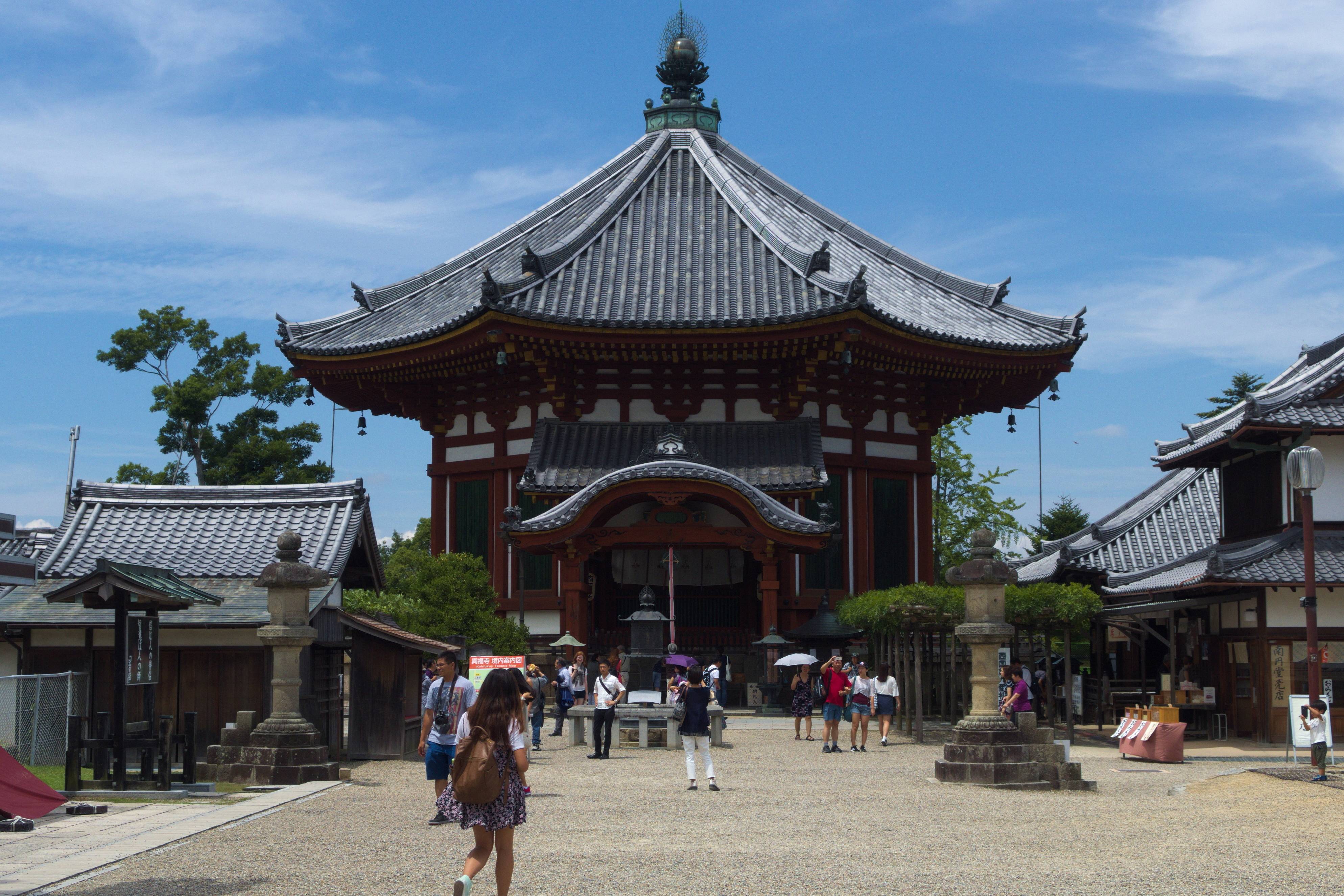
Nara, Kamakura and other popular destinations shouldn’t appear as a small extra after an already full day of sightseeing. Check the journey from your actual hotel and choose your priorities. Keep the option to skip the trip if you need a rest.
Review it as someone on holiday
Go through the plan day by day: when do we eat, what happens to our luggage, where is the buffer, and what do we skip if it rains? If every answer is “we’ll work it out somehow”, the itinerary needs a review.
The best two-week itinerary is the one that suits you. If your flights and hotels are already booked, send an outline for an itinerary review. If you’re just starting out, read where to begin with planning Japan.
What would your Japan trip look like?
I’ll help you shape a plan around your pace, interests and budget.
Let’s talk about your trip